
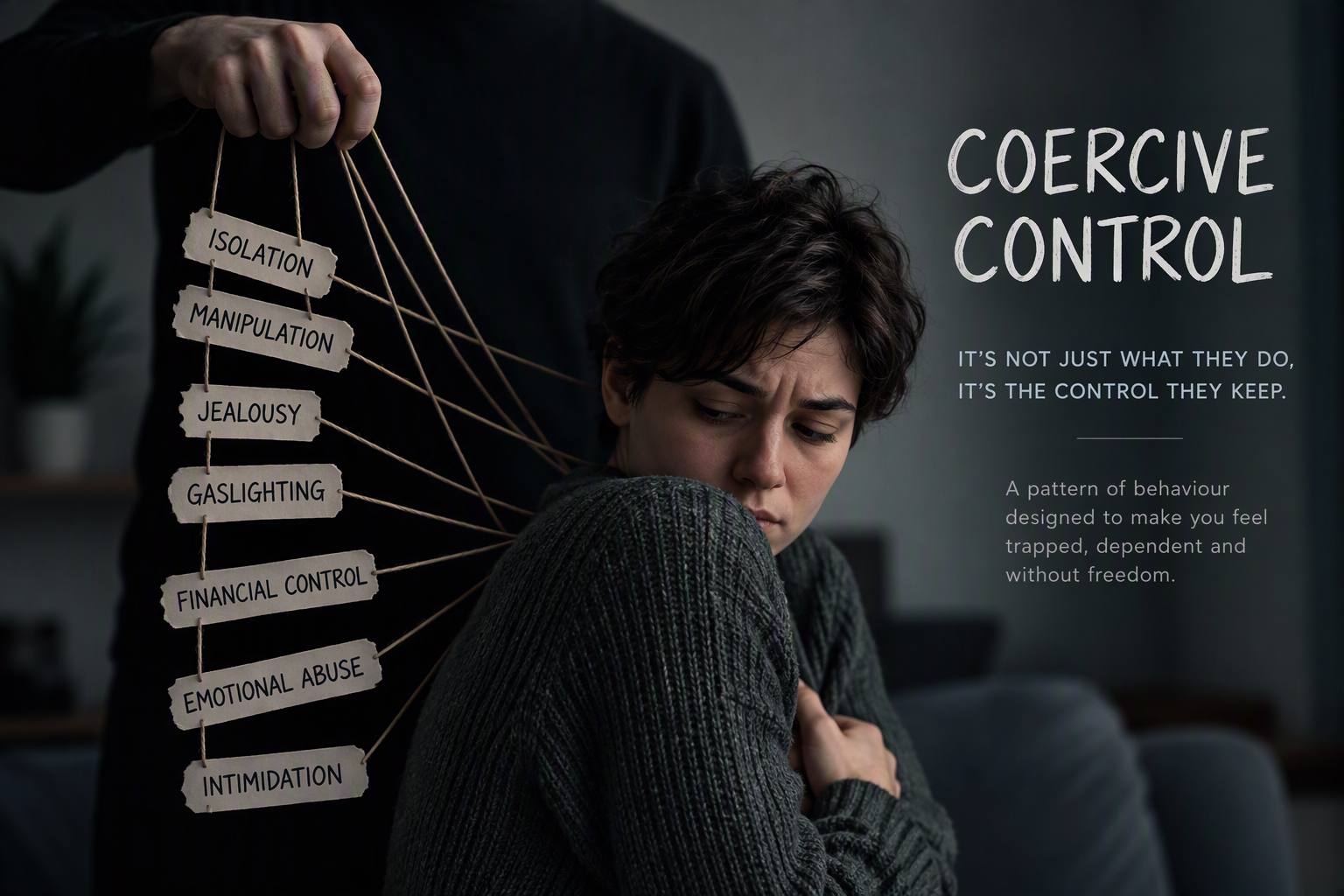
Image created by Microsoft Copilot
In honor of Domestic Violence Awareness Month and as a passionate mental health professional with some experience with this topic, I am dedicating four weekly blog posts about intimate partner violence (IPV) to offer four key things to readers:
Week 1: Information and resources about IPV
Week 2: A new view of subjective experiences with IPV
Week 3: Insights and support for fellow professionals
Week 4: Guidance and resources for family and friends
In Week 1 of Breaking the Silence, I will share the following information about intimate partner violence:
Definition and Statistics
Impact of Marginalization and Stigma
Origins of IPV
Resources for Support Seekers and Supporters
References for More Information
Definition
According to the World Health Organization in 2022, intimate partner violence (IPV) was defined as “behavior within an intimate relationship that causes physical, sexual, or psychological harm, including acts of physical aggression, sexual coercion, psychological abuse, and controlling behaviors.” This definition includes current or former spouses and dating partners and one or more episodes of IPV.
Statistics
In 2024, the U.S. Centers for Disease Control and Prevention (CDC) conducted its latest National Intimate Partner and Sexual Violence Survey (NISVS) where the following sobering statistics were reported:
IPV was observed to start early and affects tens of millions of men and women before the age of 18.
61 million women and 53 million men reported experiences with psychological aggression by an intimate partner during their lifetime.
The CDC reports these experiences may continue across one’s lifetime after violence has been normalized.
In my current state of Washington, the CDC and Washington State Department of Health (DOH) identified 41% of women and 31% of men reported experiences with sexual violence, physical violence, or stalking, which largely mirrors national numbers.
Impact of Marginalization and Stigma
Believed to be a gendered issue
Intimate partner violence may be seen as a gendered issue by society and in our communities where people identifying as female are the most common victims and survivors and people identifying as male are most commonly viewed as offenders or perpetrators. The CDC’s NISVS report highlights this is simply not true. While there may be higher reports from women than men, men are also victims and survivors in very high numbers, and women may also create and perpetuate harm. Because of this view, men may underreport their experiences, may not be believed by professionals or supporters, and may not understand or view their experience as abuse since it has not been defined this way by society. We all have a role to play to change this perception to ensure more people who suffer end the silence and get the support they need.
Marginalized populations
IPV can affect anyone, though those from marginalized populations may face an increased rate of IPV due to larger societal and systemic inequities that can lead to aggression and violence in relationships. Among those who may face this increased rate of IPV, this may include but not be limited to people in the LGBTQIA+ community, those who may be transgender or gender non-conforming, individuals who experience a lower socioeconomic status, and immigrants reliant on their partner to stay in the country. One may initially experience violence for their differences and may continue to tolerate it with fears of being outed by one’s partner.
Origins of IPV
In addition to the CDC NISVS study in 2024, many other studies have shown that being a victim of domestic violence or intimate partner violence earlier in life can lead to continued violence as a victim, creator of harm, or both.
Both sides of harm
The book Violent Partners by Linda G. Mills highlights these insights and various de-identified cases where one’s chosen family may experience similar themes from one’s family of origin. Dr. Mills asserts in this book that acts of violence, whether physical, sexual, or psychological, become normalized as a way to communicate when one’s tools and skills may be deficient to express fear, disagreement, dissatisfaction, or disappointment. Expressions of fear or anxiety may be too vulnerable. Prior attachment ruptures and fears of rejection and abandonment may make it terrifying to share one’s true experience. Anger and attempts to control may help someone move from feeling powerless to powerful, which are only temporary and may escalate to have the same effect.
According to Bessel van der Kolk in The Body Keeps the Score, those who suffer from a partner’s attempts to control them may have previously found themselves in violent, abusive, neglectful, and/or invalidating environments growing up. They may re-enact or attempt to resolve these cycles because the brain and nervous system tend to seek familiarity as familiarity implies we are safe even when we may not be.
Interrupting violence
Whether one is enduring or creating harm, both sides are suffering and trapped in a difficult and painful dynamic. The work here is rewiring what is deemed to be safe and expanding our ability to communicate and experience powerful emotions in more adaptive and skillful ways. To interrupt this process, both sides need to build awareness, tools, and tolerance for distress to make space for vulnerability, connection, and care.
Resources for Support Seekers and Supporters
There is support available for those experiencing or observing intimate partner violence. Medical and mental health providers and dedicated hotlines can be a resource for anyone in or observing these situations. You do not have to experience this or witness it in silence or alone. Together we can break the silence by knowing more what is behind intimate partner violence and learning how to interrupt the patterns.
Crisis
If you or someone you know is experiencing an urgent need or an emerging crisis where there is a concern about the personal health or safety for you or others, please call 911 or go to the nearest emergency room.
You may also call National Suicide Prevention at 1-800-273-8255 or text SAFE to 741741.
For local support in Washington state, you may also call the King County Crisis Line at 206-461-3222.
National Domestic Violence Hotline
If you or someone you know is experiencing IPV, the confidential 24/7 National Domestic Violence Hotline is available through multiple methods:
Call 1-800-799-SAFE (7233)
Test “START” to 88788
Visit Domestic Violence Support | National Domestic Violence Hotline for a live chat
A Look Ahead to Week 2
Next week I will share more about the subjective experiences of those who have endured IPV whether as a victim, person who creates harm, or both. The idea behind this is to help those with IPV experiences or those who may be supporters build awareness of what is happening, develop some common language, and begin to replace silence with curiosity.
References for More Information
CDC and DOH (2017). “National Intimate Partner and Sexual Violence Survey”. National Intimate Partner and Sexual Violence Survey – Washington State Coalition Against Domestic Violence (WSCADV)
Mills, L. (2008). Violent Partners: A Breakthrough Plan for Ending the Cycle of Abuse. New York, NY: Perseus Books Group.
U.S. Centers for Disease Control (2024). “Intimate Partner Violence Prevention: About Intimate Partner Violence”. About Intimate Partner Violence | Intimate Partner Violence Prevention | CDC
van der Kolk, B. A. (2015). The Body Keeps the Score: Brain, Mind, and Body in the Healing of Trauma. New York, NY: Penguin Books.
Washington State Domestic Violence Information & Referrals (2017). Domestic Violence Programs | Washington Information and Referral
World Health Organization (2022). “Violence Info: Intimate Partner Violence”. Violence Info – Intimate partner violence